Training your Beagle is essential for building a strong bond, encouraging good behavior, and helping your dog become a confident and well-mannered companion. Beagles are intelligent, curious, and eager to explore the world through scent, but they can also be stubborn and easily distracted.
With patience, consistency, and positive reinforcement, Beagles can learn obedience, house manners, leash skills, and advanced commands successfully. This guide covers everything you need to know about training your Beagle at every stage of life.
Why Training Your Beagle Is Important
Proper training helps your Beagle:
- Learn good behavior
- Improve focus and obedience
- Stay safe in public environments
- Build confidence
- Strengthen communication with owners
- Reduce unwanted behaviors
Training also provides mental stimulation, which is especially important for active scent hounds like Beagles.
Understanding Beagle Temperament
Beagles were originally bred as hunting dogs that followed scents over long distances. Because of this background, they are naturally:
- Intelligent
- Curious
- Friendly
- Independent
- Food motivated
- Easily distracted by smells
Understanding your Beagle’s instincts helps create more effective training methods.
When Should You Start Training a Beagle?
Training can begin as early as 8 weeks old.
Early puppy training focuses on:
- Socialization
- Potty training
- Basic commands
- Leash introduction
- Building routines
The earlier training begins, the easier it is to establish good habits.
Best Training Methods for Beagles
Positive Reinforcement Training
Positive reinforcement is the most effective training approach for Beagles.
Reward Good Behavior With:
- Small treats
- Praise
- Toys
- Affection
- Playtime
Beagles respond extremely well to food rewards because they are naturally food motivated.
Keep Training Sessions Short
Beagles can lose focus quickly, especially when distracted by scents.
Ideal Session Length
- 5–15 minutes
- Multiple short sessions daily
Short, fun sessions help maintain attention and improve learning.
Basic Commands Every Beagle Should Learn
1. Sit
“Sit” is often the first command taught to puppies and creates calm behavior.
Training Tip
Hold a treat above your Beagle’s nose and slowly move it backward until they naturally sit.
2. Stay
“Stay” improves impulse control and safety.
Start with short distances and gradually increase duration as your Beagle improves.
3. Come
Reliable recall is especially important for Beagles because their scent instincts may cause wandering.
Recall Training Tips
- Use rewards consistently
- Practice in quiet areas first
- Never punish your dog for returning
4. Down
Teaching “down” helps promote calmness and relaxation.
5. Leave It
“Leave it” helps prevent dangerous situations involving food, trash, or unsafe objects.
This command is particularly valuable for scent-driven breeds like Beagles.
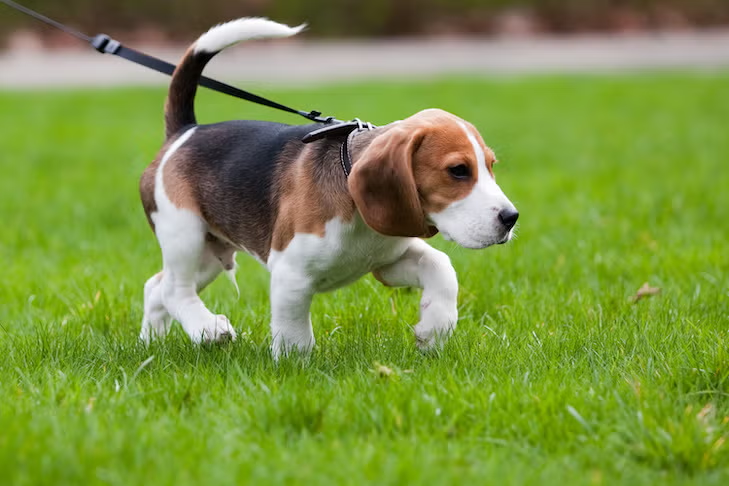
Leash Training Your Beagle
Beagles naturally want to follow scents, which can lead to pulling during walks.
Leash Training Tips
- Use a secure harness
- Reward loose-leash walking
- Stop walking when pulling begins
- Practice in low-distraction environments
Consistency is key for improving leash manners.
Crate Training a Beagle
It provides structure and supports:
- Potty training
- Safety
- Travel
- Anxiety management
Crate Training Tips
- Make the crate comfortable
- Use treats and praise
- Avoid punishment
- Gradually increase crate time
A crate should feel like a safe resting space, not confinement.
Socialization and Training
Socialization is a critical part of training.
Expose your Beagle positively to:
- New people
- Other dogs
- Different environments
- Household noises
- Car rides
- Veterinary visits
Well-socialized Beagles are often calmer and easier to train.
Common Beagle Behavior Challenges
Excessive Barking or Howling
Beagles are vocal dogs by nature.
Reduce Barking By:
- Increasing exercise
- Providing mental stimulation
- Avoiding boredom
- Teaching quiet commands
Digging
Digging often results from boredom or excess energy.
Provide:
- Daily exercise
- Interactive toys
- Supervised outdoor time
Chewing
Puppies especially explore through chewing.
Offer safe chew toys and redirect inappropriate chewing calmly.
Stubbornness
Beagles may ignore commands when distracted by scents.
Improve Focus By:
- Using high-value treats
- Training in quiet locations
- Keeping sessions engaging
- Practicing regularly
Mental Stimulation for Beagles
Mental exercise is just as important as physical activity.
Great Brain Games for Beagles
- Puzzle toys
- Scent games
- Hide-and-seek
- Obedience practice
- Trick training
- Food-dispensing toys
Mental stimulation helps reduce boredom-related behavior issues.
Training Beagle Puppies
Puppies learn best through consistency and repetition.
Puppy Training Priorities
- Potty training
- Crate training
- Socialization
- Bite inhibition
- Name recognition
- Basic commands
Positive early experiences help create confident adult dogs.
Training Older Beagles
Adult Beagles can absolutely learn new behaviors.
Tips for Older Dogs
- Be patient
- Use consistent routines
- Focus on positive reinforcement
- Reward small improvements
Older rescue dogs may need additional time to adjust to new environments and expectations.
How Long Does It Take to Train a Beagle?
Training is an ongoing process rather than a one-time event.
Most Beagles begin learning basic commands within weeks, but continued practice throughout life helps maintain reliable behavior.
Consistency matters more than speed.
Common Training Mistakes to Avoid
Using Punishment
Harsh punishment can create fear and reduce trust.
Inconsistent Rules
Mixed signals confuse dogs and slow progress.
Skipping Mental Stimulation
Bored Beagles are more likely to develop unwanted behaviors.
Expecting Immediate Perfection
Training takes repetition, patience, and time.
Final Thoughts
Training your Beagle is one of the best investments you can make in your dog’s health, safety, and happiness. With positive reinforcement, regular practice, mental stimulation, and patience, your Beagle can become a well-behaved and confident companion.
Because Beagles are intelligent scent hounds, successful training should be engaging, rewarding, and consistent throughout every stage of life.
For more Beagle care guides, puppy training tips, and breed information, visit National Beagle Club.
Frequently Asked Questions About Training Your Beagle
Are Beagles easy to train?
Beagles are intelligent but can be stubborn and distracted by scents. Positive reinforcement and consistency work best.
What is the best way to train a Beagle?
Reward-based training with treats, praise, and short sessions is highly effective for Beagles.
At what age should you start training a Beagle?
Training can begin around 8 weeks old with basic commands, socialization, and potty training.
How do you stop a Beagle from pulling on the leash?
Use a secure harness, reward loose-leash walking, and stop moving when pulling begins.
Why do Beagles ignore commands?
Beagles are scent-driven dogs and may become distracted by smells. Consistent practice and high-value rewards improve focus.
Can older Beagles be trained?
Yes, adult Beagles can learn new commands and behaviors with patience and consistent training.
How long should Beagle training sessions last?
Short sessions of 5–15 minutes work best because Beagles can lose focus during longer training periods.