
House breaking your Beagle is one of the first and most important steps in raising a well-behaved dog. Beagles are intelligent and eager to please, but they can also be stubborn and easily distracted, which means consistency and patience are essential during potty training.
With the right routine, positive reinforcement, and supervision, most Beagles can learn reliable house training successfully. This guide explains how to house break your Beagle, common mistakes to avoid, and proven tips for faster potty training success.
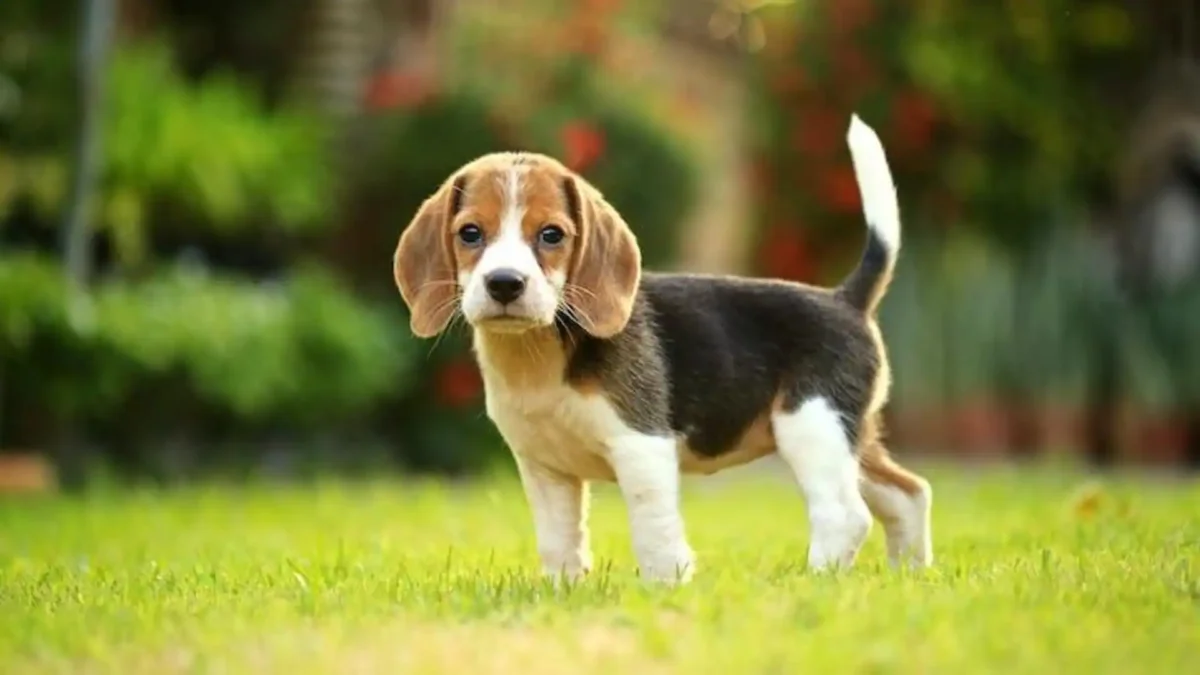
Why House Training Is Important
Proper house training helps your Beagle learn:
- Where to go potty
- Household boundaries
- Good daily routines
- Self-control and consistency
Successful potty training also reduces accidents, stress, and frustration for both dogs and owners.
When Should You Start House Breaking a Beagle?
You can begin house training your Beagle puppy as early as 8 weeks old.
Young puppies have limited bladder control, so early training focuses on:
- Building routines
- Frequent potty breaks
- Positive habits
- Reward-based learning
Most Beagles achieve reliable potty training between 4 and 6 months, although some may take longer.
Understanding Beagle Puppy Bladder Control
Puppies cannot hold their bladder for long periods.
General Puppy Potty Timing
- 2 months old → every 2 hours
- 3 months old → every 3 hours
- 4 months old → every 4 hours
Always expect more frequent potty trips after:
- Eating
- Drinking
- Sleeping
- Playtime
- Excitement
How to House Break Your Beagle
1. Create a Consistent Potty Schedule
Consistency is the foundation of successful house training.
Take Your Beagle Outside:
- First thing in the morning
- After meals
- After naps
- After play sessions
- Before bedtime
- Every few hours during the day
Using the same potty area helps your Beagle recognize the correct location.
2. Use Positive Reinforcement
Reward your Beagle immediately after successful potty trips.
Effective Rewards Include:
- Small treats
- Praise
- Affection
- Playtime
Positive reinforcement helps your puppy associate outdoor potty behavior with rewards.
3. Supervise Indoors Carefully
Close supervision prevents accidents and teaches good habits.
Helpful Supervision Methods
- Keep your puppy nearby
- Use baby gates
- Watch for potty signals
- Limit unsupervised roaming
Common Signs Your Beagle Needs to Go
- Sniffing
- Circling
- Whining
- Sudden restlessness
- Heading toward corners
Take your puppy outside immediately if you notice these behaviors.
4. Crate Training Helps Potty Training
Crate training is one of the most effective house training tools.
Dogs naturally avoid soiling their sleeping area, which encourages bladder control.
Crate Training Tips
- Choose the correct crate size
- Avoid using the crate for punishment
- Provide comfort and safety
- Take your Beagle outside immediately after crate time
A properly sized crate should allow your puppy to stand, turn around, and lie down comfortably.
5. Establish Feeding Routines
Scheduled feeding creates predictable bathroom habits.
Feeding Tips for Potty Training
- Feed meals at consistent times
- Avoid free-feeding
- Remove uneaten food after meals
- Monitor water intake before bedtime
Predictable digestion supports predictable potty schedules.
Common House Training Mistakes
Punishing Accidents
Punishment can create fear and confusion. Instead, calmly clean accidents and focus on reinforcing correct behavior.
Inconsistent Schedules
Irregular routines make potty training more difficult for puppies to understand.
Giving Too Much Freedom Too Soon
Unsupervised puppies are more likely to have accidents indoors.
Cleaning Accidents Improperly
Use enzymatic cleaners to remove odors completely. Remaining scent may encourage repeat accidents.
How Long Does It Take to Potty Train a Beagle?
Every dog learns differently, but most Beagles make steady progress within several weeks of consistent training.
Factors affecting training speed include:
- Age
- Consistency
- Supervision
- Previous habits
- Individual temperament
Patience is important, especially during setbacks.
Nighttime Potty Training
Young Beagle puppies may need nighttime bathroom breaks.
Nighttime Training Tips
- Limit water before bedtime
- Take your puppy out right before sleep
- Use calm nighttime potty trips
- Gradually extend overnight intervals
Most puppies develop better nighttime bladder control as they grow.
Potty Training Older Beagles
Adult rescue Beagles or previously untrained dogs can still learn house manners successfully.
Tips for Older Beagles
- Rebuild routines slowly
- Use positive reinforcement
- Increase supervision
- Be patient with adjustment periods
Older dogs may learn more quickly once they understand expectations.
Signs Your Beagle Is Fully House Trained
Your Beagle may be reliably house trained when they:
- Signal when needing to go outside
- Stay accident-free for extended periods
- Hold bladder appropriately for age
- Follow a regular potty routine
Even trained dogs may occasionally have accidents during illness, stress, or schedule changes.
Should You Use Puppy Pads?
Puppy pads can be useful temporarily in some situations, especially for apartment living or extreme weather. However, relying on pads long-term may confuse some dogs about appropriate potty locations.
Outdoor potty training is generally recommended whenever possible.
Tips for Faster Beagle Potty Training Success
Keep Training Positive
Reward success consistently and avoid frustration.
Use Verbal Cues
Simple phrases like “go potty” help create associations.
Stay Patient
Accidents are normal during training.
Be Consistent
Routine and repetition help Beagles learn faster.
Final Thoughts
House breaking your Beagle requires patience, consistency, and positive reinforcement, but the effort is well worth it. With a structured routine, supervision, crate training, and regular rewards, your Beagle can develop reliable potty habits and become a confident, well-mannered companion.
Every Beagle learns at their own pace, so focus on steady progress and maintaining a calm, supportive environment throughout the training process.
For more Beagle training tips, puppy care guides, and breed education, visit National Beagle Club.
Frequently Asked Questions About House Breaking Your Beagle
How long does it take to house train a Beagle?
Most Beagles become reliably house trained between 4 and 6 months with consistent routines and positive reinforcement.
Are Beagles difficult to potty train?
Beagles can be stubborn at times, but they respond well to patience, consistency, and reward-based training.
How often should a Beagle puppy go outside?
Young puppies may need potty breaks every 2–3 hours, especially after eating, sleeping, or playing.
Does crate training help potty training?
Yes, crate training encourages bladder control and helps reduce indoor accidents when used properly.
Should you punish a Beagle for accidents?
No, punishment can create fear and confusion. Positive reinforcement works much better for house training.
Can older Beagles be house trained?
Yes, adult Beagles can learn house training successfully with patience, supervision, and consistent routines.
What should I do if my Beagle keeps having accidents?
Review your schedule, increase supervision, reward successful potty trips, and clean accidents thoroughly with enzymatic cleaners.