Proper nutrition is essential for keeping your Beagle healthy, energetic, and at a healthy weight. Beagles are active, food-motivated dogs with strong appetites, which makes balanced feeding especially important. Without the right diet and portion control, Beagles can easily become overweight and develop health problems.
This guide covers everything you need to know about feeding your Beagle, including the best foods, feeding schedules, portion sizes, treats, and nutrition tips for every life stage.
Why Proper Nutrition Matters for Beagles
A healthy diet supports your Beagle’s:
- Energy levels
- Muscle development
- Coat and skin health
- Digestion
- Immune system
- Joint health
- Overall lifespan
Because Beagles were originally bred as active hunting dogs, they require high-quality nutrition that supports their natural energy and metabolism.
What Should You Feed a Beagle?
The best diet for a Beagle includes:
- High-quality animal protein
- Healthy fats
- Digestible carbohydrates
- Vitamins and minerals
- Fresh water daily
Look for dog foods where real meat is listed as the first ingredient, such as:
- Chicken
- Turkey
- Beef
- Salmon
- Lamb
Avoid foods with excessive fillers, artificial preservatives, and low-quality by-products.
Best Types of Food for Beagles
Dry Dog Food (Kibble)
Dry food is one of the most popular choices because it is:
- Convenient
- Affordable
- Good for dental health
- Easy to portion
Choose a premium dog food formulated for your Beagle’s age, size, and activity level.
Wet Dog Food
Wet food can help with hydration and may appeal to picky eaters. Many owners combine wet and dry food for variety and balanced nutrition.
Fresh or Homemade Diets
Some owners prefer fresh or homemade meals. If preparing homemade food, consult a veterinarian or canine nutritionist to ensure balanced nutrition.
How Much Should You Feed a Beagle?
The amount of food depends on your Beagle’s:
- Age
- Weight
- Activity level
- Metabolism
- Health condition
General Feeding Guidelines
Beagle Puppies
- 3–4 small meals daily
- Higher calorie intake for growth and development
Adult Beagles
- 2 meals daily
- Portion-controlled feeding helps prevent obesity
Senior Beagles
- Lower calorie diets may be needed due to reduced activity
Always follow feeding guidelines on the dog food label and adjust based on your veterinarian’s advice.
Beagle Feeding Schedule
Consistency helps maintain healthy digestion and behavior.
Recommended Feeding Times
Puppies
- Morning
- Midday
- Afternoon
- Evening
Adults
- Morning
- Evening
Avoid free-feeding, as Beagles are known to overeat when food is constantly available.
Foods Beagles Should Avoid
Some foods are dangerous or toxic to dogs.
Never Feed Your Beagle:
- Chocolate
- Grapes and raisins
- Onions and garlic
- Alcohol
- Xylitol sweetener
- Cooked bones
- Excess fatty foods
- Caffeine
If your Beagle eats something toxic, contact your veterinarian immediately.
Healthy Treats for Beagles
Treats are excellent for training and rewards but should be given in moderation.
Good Treat Options
- Small training treats
- Carrots
- Apple slices (without seeds)
- Blueberries
- Dog-safe peanut butter
- Commercial healthy dog treats
Treats should make up no more than 10% of your Beagle’s daily calories.
Preventing Obesity in Beagles
Beagles are highly food motivated and prone to weight gain.
Signs Your Beagle May Be Overweight
- Difficulty feeling ribs
- Reduced energy
- Loss of waist definition
- Heavy breathing after light exercise
Tips to Maintain a Healthy Weight
- Measure food portions carefully
- Limit table scraps
- Exercise daily
- Use healthy treats
- Schedule regular veterinary checkups
Maintaining a healthy weight helps reduce the risk of:
- Joint problems
- Diabetes
- Heart disease
- Reduced lifespan
Feeding Beagle Puppies
Puppies need extra nutrients for growth and brain development.
Puppy Nutrition Tips
- Feed puppy-formulated food
- Choose food rich in DHA and protein
- Maintain regular feeding times
- Transition foods gradually
Most Beagle puppies transition to adult food around 12 months of age.
Feeding Senior Beagles
Older Beagles may become less active and require fewer calories.
Senior Feeding Considerations
- Lower calorie foods
- Joint-support ingredients
- Easily digestible proteins
- Increased hydration
Monitor weight changes closely as your dog ages.
Hydration Is Essential
Always provide clean, fresh water.
Active Beagles can become dehydrated quickly, especially during hot weather or after exercise.
Signs of dehydration include:
- Dry gums
- Lethargy
- Excessive panting
- Sunken eyes
Should You Use Grain-Free Food?
Grain-free diets are not necessary for most Beagles unless recommended by a veterinarian for allergies or sensitivities.
Many healthy dogs tolerate grains well and benefit from balanced whole-grain ingredients.
Tips for Picky Beagle Eaters
If your Beagle becomes selective about food:
- Maintain a consistent feeding schedule
- Avoid excessive treats
- Mix in a small amount of wet food
- Ensure regular exercise
- Rule out health issues with your veterinarian
Final Thoughts
Feeding your Beagle properly is one of the most important parts of responsible dog ownership. A balanced diet, proper portions, healthy treats, and consistent feeding routines help your Beagle maintain a healthy weight, strong energy levels, and long-term wellness.
Every Beagle is unique, so monitor your dog’s condition closely and work with your veterinarian to choose the best feeding plan for their needs.
For more Beagle care guides, breed education, and dog owner resources, visit National Beagle Club.
Frequently Asked Questions About Feeding Your Beagle
How much should a Beagle eat daily?
Most adult Beagles eat between ¾ and 1.5 cups of high-quality dog food daily, divided into two meals.
What is the best food for a Beagle?
The best food for a Beagle contains high-quality protein, healthy fats, and balanced nutrients designed for your dog’s age and activity level.
How often should you feed a Beagle puppy?
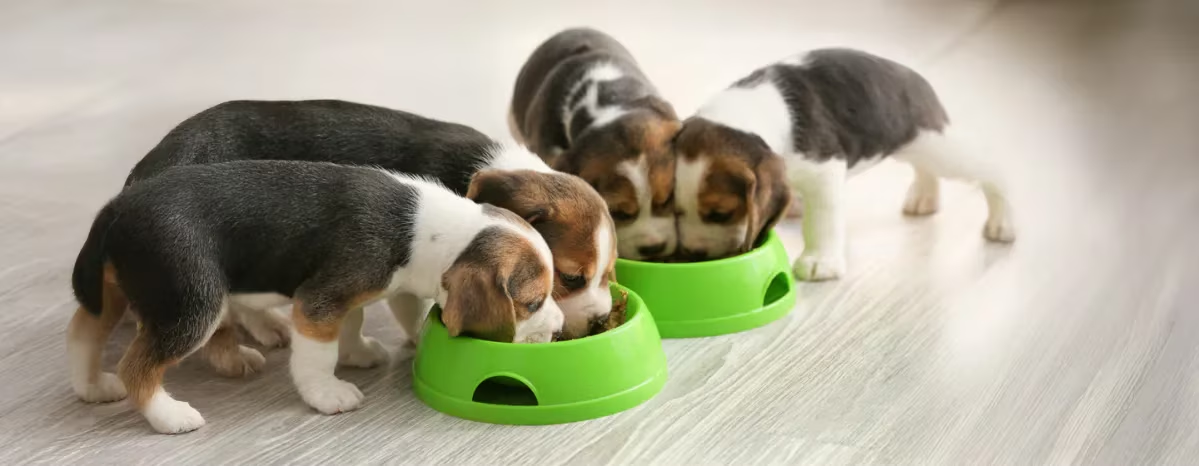
Beagle puppies should typically eat 3–4 small meals daily to support healthy growth and energy needs.
Are Beagles prone to obesity?
Yes, Beagles are highly food motivated and can gain weight easily without portion control and regular exercise.
Can Beagles eat human food?
Some human foods are safe in moderation, but many foods like chocolate, grapes, onions, and xylitol are toxic to dogs.
Should Beagles eat grain-free food?
Most Beagles do not require grain-free diets unless recommended by a veterinarian for allergies or sensitivities.
What treats are healthy for Beagles?
Healthy treats include carrots, blueberries, apple slices, and small low-calorie dog treats given in moderation.